

SHAID Animal Shelter is a place where animals find temporary or permanent shelter when they are destitute. The topic of animal shelters is very relevant today. A shelter is a place for homeless animals. There are abandoned, lost, disabled little friends who are waiting for their masters. Of course, it is often cats or dogs because they are the most common pets.
Every ten years, the number of dogs and cats on the planet increases by 30%. International agencies estimate that for there to be no stray dogs or cats left on Earth, every person on the planet must take at least seven animals from a shelter.
And it’s good that there are people who are willing to help homeless animals. But the truth is that, unfortunately, there are more people willing to give an animal to the shelter than those willing to take them.



SHAID shelter has dogs, cats, and even rabbits, and everyone here is given help and care with love. The shelter staff is not indifferent to the fate of each pet, so they treat sheltering helpless animals in distress here as if they were their own.
Working at the shelter for six years is a great responsibility. And for the full life of the shelter itself, the team inside, a variety of additional services, including medical – as one of the main factors in the care of animal life, it is the necessary funds and the involvement of various organizations, the participation of volunteers and just not indifferent people to raise money to fully support the organization with everything necessary to maintain the life of animals at the appropriate level.
What does the shelter do?

First, they provide prompt help and care for the animal.
Second, they provide long-term care for the animal.
Third, most shelters make an effort to find a lost owner. It’s a shame that shelters don’t exist in all cities. And not all owners have a chance to see their beloved pet who is just lost again.
Well and the fourth, positive thing is finding a new home and owner.
The shelter for homeless animals is always open to volunteers and volunteers. The main task is to find old or new owners for the four-legged animals.
Charitable organizations and citizens are actively involved in solving the problems of the city’s animals on an ongoing basis. As part of the formation of civil society to promote the placement of animals from shelters, to conduct information campaigns under the slogan: “You want to find a friend – take him to the shelter. You will not only make your pet and your family happy, but you will also help your city. It’s a collaborative, big job that requires everyone’s attention.
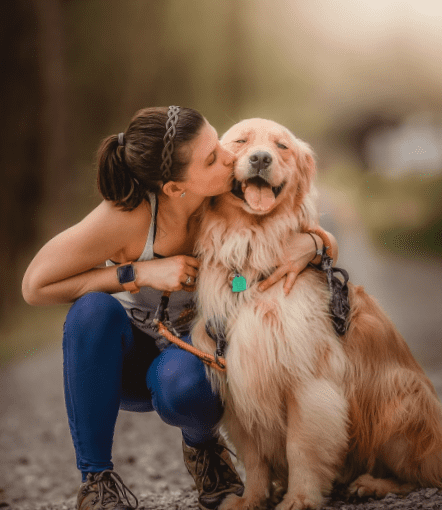
There are also organizations at the shelter, such as Cause for Paws, where its members periodically deliver pet food to the SHAID Animal Shelter.
Love for Pets in Public
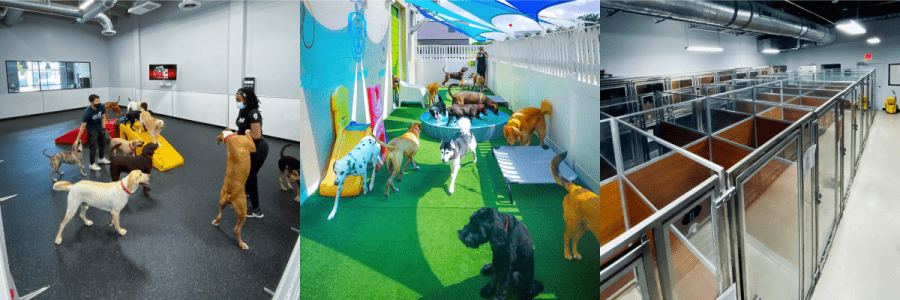
In addition to the general awareness that pet shelters and medical centers are being created, pet hotels and pet grooming facilities are becoming more and more popular. Also, when browsing for a place to stay or choosing a hotel, you may see a separate entry stating that pets are allowed in the hotel, pets are allowed in the restaurant, and so on. By the way, if you have already noticed, bars and restaurants are created in the world directly for animals. That is, owners come here with their pets order food or desserts for them. Dogs or cats are put at the tables placed on couches or chairs to feel comfortable.
Animals are known to be a kind of soothing “calm down remedy,” if I may say so. That is, if you have a not very pleasant situation that made you angry or stressed, spending a few minutes with the animal, the mood changes, the mood improves, nervous tension subsides.
Casinos and hotels that allow pets
Many hotels are increasingly introducing a loyal policy for visitors with pets. By the way, this did not avoid the topic of gambling – casinos. Of course, now we are not talking about gaming machines on the theme of animals, where there are 1,000 choices or doggy happy combinations. We are talking directly about the institutions themselves. The first such institutions began to appear in Japan, China, then adopted the successful experience of the casinos and hotels in the U.S., Europe. But, of course, Canadians have not been left out.
If you want to spend a vacation but have pets, finding a suitable place can be a problem. Visiting a casino is like one of your vacation goals; the only question is, will they let you into the establishment with your pet? Even if you find a hotel near the casino that allows pets, you will likely have to leave your furry friends behind while you entertain and gamble. You don’t know if your pet will get bored without you or make a mess of the room while you’re gone, and it’s not even an option to leave your pet at home while you’re away on vacation, as the owner will only have a lot of anxiety instead of rest and peace of mind.
Fortunately, some casinos allow pets. That way, you’ll both relax for fun among the slot machines, be able to play your favourite card games, and even have fun while your pets are in your care. Here are some of the locations:
River Rock Casino Resort in Canada
River Rock Casino Resort in Richmond, British Columbia, has delightful views of the Fraser River, especially at night. And it is one of the best casino locations in British Columbia. In addition, River Rock allows cats on its casino floor.

Fairmont Le Chateau Frontenac
This place can safely be called the jewel not only of Quebec but of Canada as a whole. The hotel allows accommodation with pets, so you can book a room without fear that you will not be accepted with your pet.

This place is ideal for gambling fans because there are several casino locations. Moreover, thanks to Salon de jeux de Quebec and Bar Le Repit, every gambler can leave their pet in the hotel’s care for a while to play gambling.
If you don’t want to go out, you can stay home and enjoy all the online casino entertainment you want with online gambling. The best part is that you can have your pet by your side. Playing animal-themed slots is much more fun than winning money to buy new clothes or toys for your pet?
EXchange Hotel Vancouver, BC.
This is a trendy place where pets are allowed. The place attracts attention with its ideal location for visiting various restaurants and public establishments, museums, and attractions worth visiting.

L’Hermitage Hotel, British Columbia
A great choice for those visiting Vancouver. Great value for money, comfort and convenience, a romantic atmosphere and services designed to make your stay here very enjoyable.
Close proximity to some of Vancouver’s most popular attractions such as Yaletown and the Marine Building. Nearby are many attractions, monuments, theatres, museums, and restaurants.


When you come to Niagara Falls to contemplate the views and beauty of nature, and at the same time, play in the casinos located here, you can also join your pets. The establishments are pretty loyal to visiting and staying with pets.
For example, the Clifton Hill Condos 2A. It is spotless and comfortable, the rooms are well equipped, and most importantly, it is possible to stay with pets. Within walking distance: Ripley’s Believe It or Not Museum 0.4 km; Niagara SkyWheel 0.4 km; Niagara Casino 0.6 km, Skylon Tower 0.6 km, Fallsview Indoor Water Park 0.7 km.
As you can see, it is gaining more and more popularity in the world to treat pets with special respect and provide services and comfort for owners. Therefore, more and more attention is now being paid to the attention and protection of animals.
SHAID annual fundraisers

SHAID holds an annual fundraiser to help its animals.
Any monetary items or even food donations will be appreciated and help put the shelter’s medical fund back in a positive direction!
Monthly and yearly, the SHAID shelter spends thousands of dollars on medical care for shelter animals, wellness exams, medications, testing, feline leukemia, spay and neuter surgeries and microchipping.
There is also a basket at the shelter’s doorstep where anyone can leave supplies needed for the shelter:
Bleach, disposable gloves, limited ingredient dog food (kibble and canned food), large dog beds, soft treats for cats, and toys for animals.
Volunteering at the SHAID club
Anyone who cares about the plight of homeless animals can volunteer to become a club member and make a donation. All funds are used to provide housing, food and medical care for the animals.
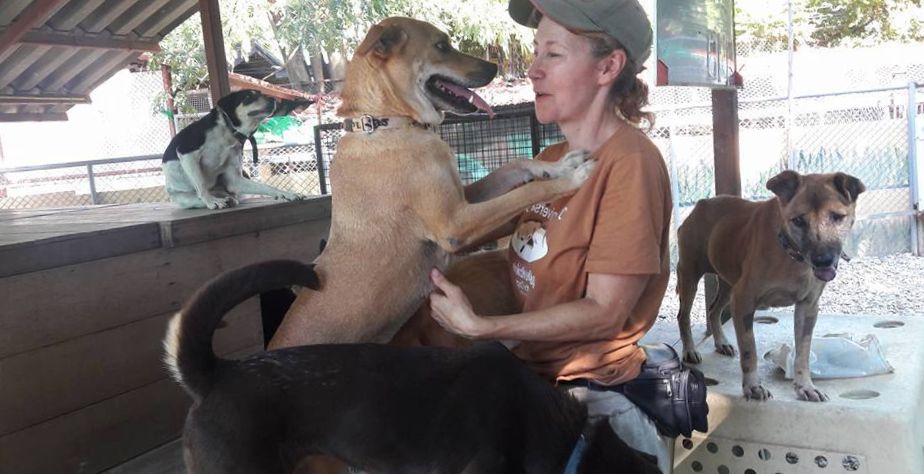
Volunteering with SHAID Tree Animal Shelter is good for people of all ages, regardless of their primary occupation. Each year more than 300 animals need love and care at the shelter. If you love animals in your heart, you can not remain indifferent to anyone. Therefore, the organization invites all volunteers to participate and help in the small shelter. There is something to help here daily: fundraising, repairs and improving conditions for the pets. So if anyone would like to make a small contribution of labour or money, get involved a little in the life of the shelter by spending some of their precious time; welcome to the SHAID Pet Assistance Shelter.
The important rule is that the volunteer must be over the age of 16, according to paperwork, and work independently or volunteer with a parent. The shelter staff will show you around, introduce you to shelter life from the inside and tell you what you need to do.
It should be noted that thanks to the volunteers of S.H.A.I.D. Tree Animal Shelter exists, the work of the shelter is practical. Therefore, donations are needed to help in any projects, its further work and existence, which the shelter collects every year.
Become a Shelter Member
If you desire to join the shelter team and become a member, the prerequisite is an annual fee of $10 per person and a one-time payment for a Lifetime Member of $100.
Thanks to SHAID shelter members, who are a source of vitality and help bring many like-minded people together to support the mission of caring for companion animals and bringing them home, the shelter is in good condition, and the animals find their long-awaited families.